Note: This article was originally published on the Memgraph blog.
Graph databases are the right choice when it comes to managing complex data relationships, particularly in applications that involve large and interconnected datasets. Despite their advantages, graph databases have challenges in maintaining optimal performance as the size and complexity of data grow. Denormalization is a technique employed to address this issue.
To Normalize or to Denormalize, That is the Question
In relational databases, normalization is a staple: it organizes data to minimize redundancy. But why consider the opposite approach for graph databases? The answer lies in the unique structure of graph databases. Unlike relational databases that benefit from minimizing redundancy, graph databases excel when they model data in a way that mirrors real-world relationships and connections.
The Need for Denormalization in Graph Databases
Applying strict normalization principles to graph databases can lead to inefficiencies:
- Increased Join Operations: Normalized data forces the database to perform numerous join-like operations, becoming a bottleneck with vast amounts of interconnected nodes and edges.
- Complexity in Relationship Traversal: Traversing normalized structures becomes more complex and time-consuming.
- Performance Overhead: Normalization adds overhead to traversals, slowing down queries.
- Real-World Data Complexity: Normalization can oversimplify the inherently complex connections in real-world data.
Identifying Data for Denormalization
Analyzing Query Patterns
- Frequency of Queries: Identify the most frequently executed queries. If certain queries involve traversing multiple relationships or nodes, these are prime candidates for denormalization.
- Long-Running Queries: Queries that take a long time to execute and involve complex join operations can be optimized through denormalization.
Assessing Data Access and Update Frequencies
- Read-Heavy vs. Write-Heavy Data: Read-heavy data, such as user profiles in a social network, is often ideal for denormalization as it benefits from faster read operations.
Practical Examples
- Social Media Platforms: User data, friend lists, and common interests can be denormalized to reduce the number of traversals needed.
- E-commerce Recommendations: User purchase history and product metadata can be denormalized for more quickly personalized recommendations.
- Logistics and Supply Chain: High-demand inventory levels and their locations can be denormalized to expedite supply chain optimization queries.
Implementing Denormalization Strategies
Data Duplication
Replicating data across multiple nodes is particularly beneficial for data that is frequently accessed but rarely updated. For instance, in a social network graph, duplicating user profile information across nodes related to their activities significantly reduces retrieval time.
Data Aggregation
Combining multiple pieces of data into a single, more manageable set simplifies complex queries. In a financial transaction graph, transactions can be aggregated on a daily or weekly basis, reducing the number of nodes and relationships the database needs to traverse.
Re-structuring Relationships
Creating new relationships that directly link nodes frequently accessed together reduces traversals. In a recommendation engine, creating direct relationships between commonly co-purchased products can expedite the recommendation process.
Materializing Paths
Pre-calculating and storing frequently traversed paths reduces traversal cost. In a logistics graph, the most efficient routes between warehouses and delivery locations can be pre-calculated for rapid retrieval during route planning.
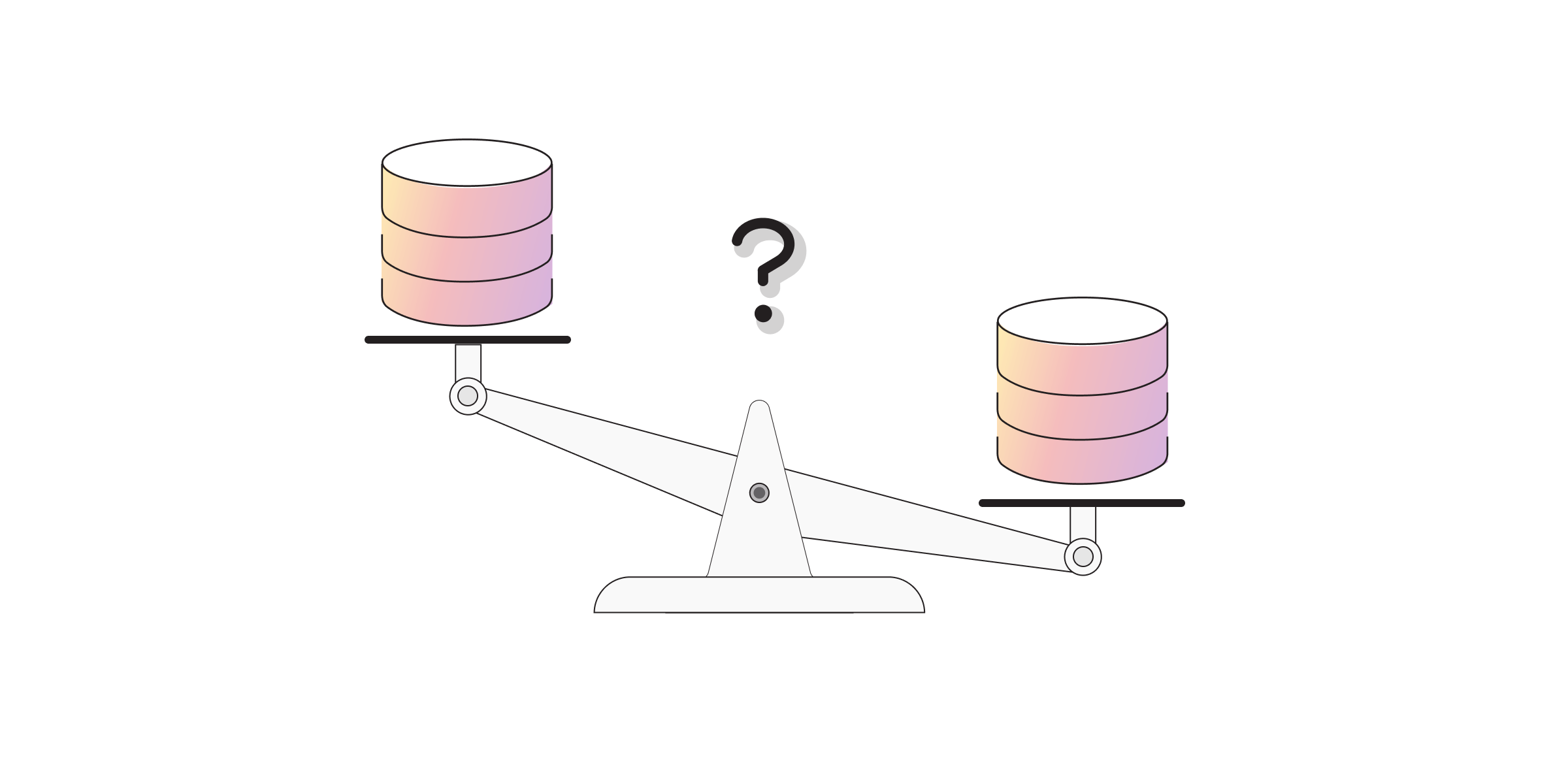
Balancing the Trade-offs in Denormalization
Increased Data Redundancy
One of the primary trade-offs is increased data redundancy. Focus on data that significantly benefits from replication in terms of access speed. Implement robust synchronization mechanisms to ensure data consistency across all copies.
Maintenance Overhead
Changes to data structures need to be propagated across all redundant copies. Automate update processes as much as possible to reduce the risk of errors.
Performance vs. Data Integrity
Implement a comprehensive monitoring system that tracks the performance gains from denormalization against any potential impacts on data integrity.
Best Practices
Start with a small subset of data to denormalize and monitor the impact on performance. Avoid over-denormalization, which can lead to excessive data redundancy and maintenance overhead.
Conclusion
Denormalization plays a crucial role in optimizing graph databases. However, it is not a one-size-fits-all solution. It requires careful assessment of the specific needs and structures of each database. The goal is to ensure the database remains efficient and reliable over time, adapting to changing data patterns and evolving requirements.